Southwest Florida After Dark: A Different Kind of Beautiful
Most visitors come to Southwest Florida for the Gulf's turquoise waters and golden sunsets — and rightfully so. But once that sun dips below the horizon, a completely different show begins overhead. SWFL sits at a surprisingly favorable latitude for stargazing, and its wide swaths of rural flatland, state forests, and protected wilderness create pockets of genuinely dark sky that are rare finds in the modern South. All you need is a clear night, a blanket, and a reliable set of wheels to get you there.
Whether you're a seasoned amateur astronomer who travels with a telescope, or a curious snowbird who just wants to lie back and spot a shooting star, this guide will point you toward the best dark-sky destinations in the region — and tell you exactly when to go.
Why SWFL Is Better for Stargazing Than You'd Expect
Florida doesn't always get credit as a stargazing destination, but Southwest Florida has several things working in its favor. The terrain is flat and open, meaning your horizon is wide in every direction. Much of the interior — from the Big Cypress watershed east of Naples to the ranch lands north of Punta Gorda — remains undeveloped and wonderfully dark. And because the region sits further south than most of the continental US, you can spot celestial objects that stargazers in northern states never see, including the brilliant star Canopus, low on the southern horizon in winter.
Humidity can occasionally blur the view, so aim for the dry season (November through April) when skies are crisp and clear. Summer brings dramatic thunderstorms that roll in fast, but between the storms — especially in the pre-dawn hours — you can catch meteor showers with stunning clarity.
Top Dark-Sky Spots to Drive To
Here are the spots locals quietly love for their night skies. Having your own rental car makes all the difference — many of these locations are well off the beaten path and have no rideshare access whatsoever.
- Babcock Webb Wildlife Management Area (Charlotte County): This sprawling WMA northwest of Punta Gorda is one of the darkest accessible spots in the region. Flat pine flatwoods open up into enormous, unobstructed sky. Pull off on one of the interior sand roads, kill your headlights, and let your eyes adjust — the results are jaw-dropping. It's conveniently close to PGD airport, making it an ideal first-night adventure for newly arrived visitors.
- Fisheating Creek Wildlife Management Area (Glades County): About 50 miles inland from Fort Myers, this is about as far from light pollution as you'll get in SWFL. The landscape of cypress swamps, open prairies, and hammocks creates an almost primordial atmosphere under a dark sky. Arrive before sunset to get oriented, and stay for the full show.
- Dinner Island Ranch Wildlife Management Area: South of LaBelle in Hendry County, this remote ranch land offers some of the darkest skies in all of South Florida. On a moonless night, the Milky Way is plainly visible as a thick, luminous band. Bring a red-light flashlight so you don't ruin your night vision.
- Lake Trafford Road Corridor (Immokalee area): The agricultural flatlands around Immokalee offer wide open sky and minimal light pollution. Pull off safely on a quiet road shoulder and look south — on a clear winter night you can trace the full arc of the southern constellations.
- Collier-Seminole State Park (after dark): While the park closes at sundown, the surrounding rural roads along US-41 east of Naples offer surprisingly dark conditions and easy access from the city. Some park events include ranger-led night sky programs — check their calendar in advance.
What to Watch For — A Seasonal Sky Calendar
Timing your stargazing outing around a celestial event transforms a good night into an unforgettable one. Here's a quick seasonal guide for SWFL:
- November – February (Dry Season): The clearest skies of the year. Orion dominates the winter sky, and you can trace the full sweep of the winter hexagon — Sirius, Procyon, Pollux, Capella, Aldebaran, and Rigel. The Geminid meteor shower in mid-December is one of the year's best, producing up to 120 meteors per hour at peak.
- March – April: Leo rises high in the south, and you can often spot Jupiter and Saturn in the evening sky. The Lyrids meteor shower arrives in late April.
- July – August (Summer): The Perseid meteor shower (August 11–13 peak) is worth braving the Florida heat for. The Milky Way core is directly overhead on summer nights, and while humidity is higher, the spectacle on a clear night is extraordinary.
- October: The Orionids arrive in mid-October, and fall's cooling temperatures bring better transparency back to the sky.
For up-to-date planetary visibility and moonrise/moonset times — a dark moon phase makes a huge difference — check apps like SkySafari, Stellarium, or the free Clear Outside weather app, which is tailored specifically for astronomers.
How to Make the Most of Your Night Out
A little preparation goes a long way when you're chasing dark skies in rural Florida. Here's how to set yourself up for success:
- Check the moon phase first. A full moon washes out all but the brightest stars. Plan your outing within a few days of the new moon for maximum darkness.
- Give your eyes 20–30 minutes to dark-adapt. Avoid looking at your phone screen — use a dim red light instead. The rods in your eyes need time to switch to night vision, and white light resets the process instantly.
- Dress warmer than you think you need to. Even in SWFL, temperatures can drop into the 50s on clear winter nights, and lying still under the stars can make you cold quickly.
- Bring bug spray. Rural Florida at night means mosquitoes. A good DEET-based repellent is non-negotiable, especially near any wetlands.
- Download an offline star map. Cell service is spotty to nonexistent in the best dark-sky spots. Download your star-map app data ahead of time.
- Let someone know where you're going. Remote WMA roads are exactly that — remote. Share your destination with a friend or family member before you head out.
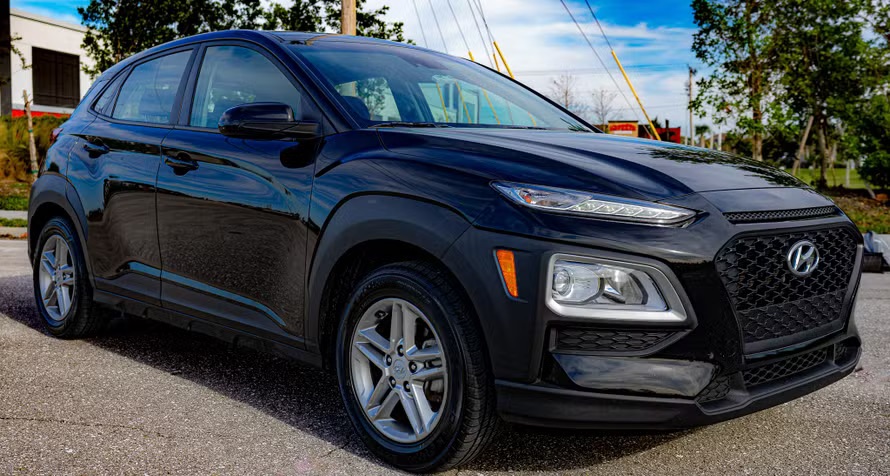
The right vehicle makes these nighttime adventures far more comfortable. Our Hyundai Kona is a nimble, fuel-efficient crossover that handles unpaved sand roads with ease, fits a telescope and gear in the cargo area, and gets you to and from the dark-sky spots with no drama. We can meet you directly at RSW or PGD when you land, or deliver to you anywhere within 50 miles of the Punta Gorda area — so you can be chasing stars on your very first night in Southwest Florida.
One Last Look Up
The best things in SWFL often cost nothing at all — a quiet beach at sunset, a manatee surfacing beside a dock, a flock of roseate spoonbills rising from the mangroves. The night sky belongs to that same category of free, extraordinary gifts this region offers. All it takes is a willingness to drive a little further than the resort strip, kill the headlights, and look up. The universe, it turns out, is right there waiting for you.
Safe travels, clear skies, and happy stargazing from all of us at SafeWheels Rentals SWFL.
Book your ride on Turo
← Back to the blog