Why Southwest Florida Is the Tarpon Capital of the World
Every summer, one of the ocean's most spectacular fish — the Atlantic tarpon, nicknamed the "Silver King" — moves into the warm, shallow waters of Southwest Florida in staggering numbers. These prehistoric giants, often topping 100 pounds and leaping six feet out of the water when hooked, have been drawing anglers from across the globe to SWFL for generations. From the legendary passes at Boca Grande to the gin-clear backcountry flats of Pine Island Sound, this stretch of coastline offers some of the most accessible and thrilling tarpon fishing anywhere on Earth.
Whether you're a seasoned fly fisherman or a first-timer who simply wants to watch the spectacle from a bridge at dusk, a road trip through SWFL's tarpon country is an unforgettable adventure — and having a reliable rental car to haul your gear, launch your kayak, and chase down the best spots is half the battle.
When to Go: Tarpon Season in SWFL
The tarpon migration typically peaks between April and July, with May and June generally considered prime time. As water temperatures climb above 74°F, schools of tarpon flood into Charlotte Harbor, Pine Island Sound, and the coastal passes to feed on threadfin herring, crabs, and mullet. Early morning and late evening are the most productive windows — which means you'll want a car waiting for you the moment you land at PGD or RSW so you can make the most of those golden-hour sessions.
Even outside of peak season, resident tarpon can be found year-round in warmer canals, rivers, and backwater areas — so if you're visiting SWFL in late summer or early fall, don't count yourself out.
The Best Tarpon Spots to Drive To
One of the great pleasures of tarpon season in SWFL is how many world-class spots are within an easy drive of the Cape Coral / Fort Myers / Punta Gorda hub. Here's a road-trip-ready hit list:
- Boca Grande Pass (Gasparilla Island): The undisputed tarpon capital of the world. During peak season, hundreds of boats congregate here to fish the deep, fast-moving pass. Pull your rental car up to the public beach access, grab your binoculars, and watch tarpon roll at the surface — even just watching is electric. Guided charters depart from Boca Grande and Placida marinas nearby.
- Charlotte Harbor Flats: The vast, shallow expanse of Charlotte Harbor — accessible from Punta Gorda, Burnt Store, and Cape Haze — is prime backcountry tarpon territory. Kayak anglers and wade fishermen love the quiet flats around Pirate Harbor and Bokeelia. It's roughly a 20-minute drive from PGD airport, making it an ideal first stop off the plane.
- Matanzas Pass (Fort Myers Beach): This productive pass between Estero Island and San Carlos Island is a local favorite for bridge fishermen and kayakers targeting tarpon after dark. Parking is available near the bridge, and the town of Fort Myers Beach is right there for a post-session meal.
- Pine Island Sound & Matlacha: The backwater channels threading through Pine Island Sound hold resident tarpon throughout the season. Launch a kayak from Matlacha or St. James City, or hire one of the many local guides who specialize in sight-fishing these flats on a push pole.
- Caloosahatchee River (Fort Myers): Large tarpon regularly roll through the Caloosahatchee, and several public bridges and shoreline access points make this a great option for land-based anglers. It's a convenient stop even if you're spending the day exploring Fort Myers.
Gear, Licenses & Logistics
Before you hit the water, a quick checklist will save you headaches on the road:
- Florida Fishing License: Required for all anglers 16 and older. Purchase one instantly online at myfwc.com before you leave the airport — no detours needed.
- Tarpon Tag: If you intend to harvest or remove a tarpon from the water for a photo, a $50 tarpon tag is required. Catch-and-release tarpon fishing (keeping the fish in the water) requires no tag.
- Gear: For shore and bridge fishing, a medium-heavy spinning outfit in the 20–40 lb class with live crabs, mullet, or threadfin herring is the classic setup. Most local tackle shops — including ones in Cape Coral, Punta Gorda, and Fort Myers — can rig you up and point you toward the bite.
- Tackle Shops Worth Stopping At: Don't skip the local tackle shop experience. These spots are treasure troves of real-time, hyper-local intel on where the fish are showing. Swing by on your way out of town and chat up the staff — they love talking tarpon.
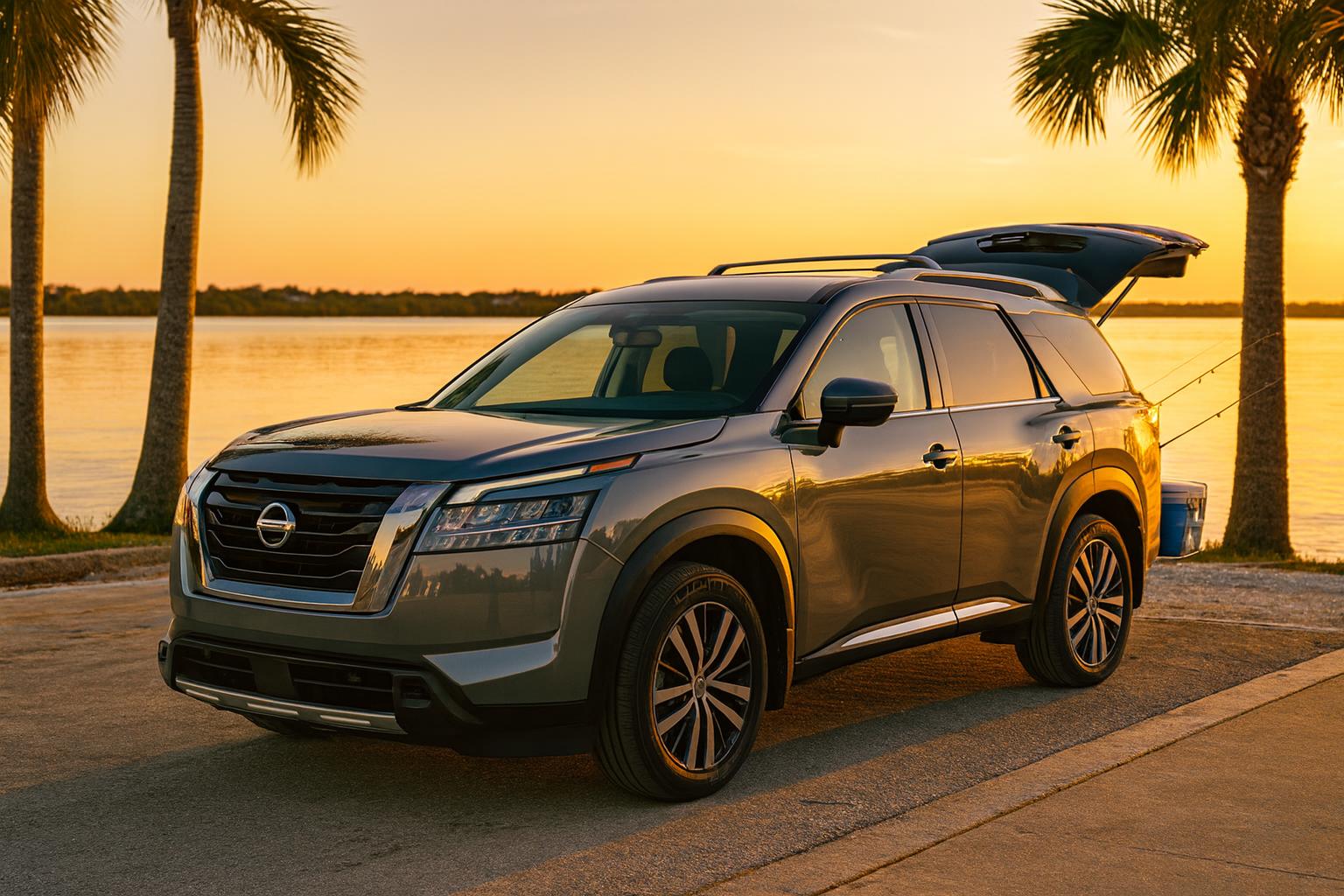
- Cooler & Snacks: Tarpon fishing means early mornings and long stints in the sun. Pack the cooler in your rental the night before — SUVs like the Pathfinder have the cargo space to carry a full cooler, rods, tackle bags, and a kayak on a trailer without breaking a sweat.
Planning Your Tarpon Road Trip Itinerary
A two- or three-day tarpon road trip from the Cape Coral / Punta Gorda area is very doable and deeply rewarding. Here's a sample flow:
- Day 1 — Arrive & Scout: Pick up your rental at PGD or RSW and head straight to Charlotte Harbor. Stop at a local tackle shop in Punta Gorda for intel and live bait. Fish the flats or a public bridge at dusk.
- Day 2 — Boca Grande: Rise before sunrise and drive south to Gasparilla Island. Watch the sunrise over the pass, book a half-day charter or fish from the public access areas, and enjoy lunch at one of Boca Grande's charming waterfront spots.
- Day 3 — Pine Island Sound: Head toward Matlacha for a kayak launch into the backcountry. The colorful fishing village of Matlacha is a wonderful place to grab breakfast and pick up last-minute supplies before hitting the water.
The beauty of having your own rental car — picked up the moment you land at PGD or RSW and delivered right to you within 50 miles of the area — is the total freedom to chase the fish wherever they're biting that day. No shuttles, no waiting, no compromises.
Tips for First-Time Tarpon Anglers
If this is your first tarpon trip, a few hard-won lessons from local guides will serve you well:
- Hire a guide for at least one day. SWFL is home to some of the best light-tackle and fly fishing guides in the world. Even one guided morning will dramatically accelerate your learning curve and put you on fish faster than going it alone.
- Be patient. Tarpon fishing can involve long stretches of waiting punctuated by explosive, heart-pounding action. Embrace the pace — SWFL sunrises and waterscapes are pretty easy to sit with.
- Mind the heat. Summer in SWFL is hot and humid. Start early, bring plenty of water, wear a sun shirt and hat, and take shelter during the hottest midday hours. Your car's air conditioning will be your best friend between sessions.
- Practice catch-and-release. Tarpon are a prized gamefish and are best released unharmed. Keep the fish in the water, use a dehooker, and get the fish revived before you let it swim off — these fish are too magnificent to waste.
Book your ride on Turo
← Back to the blog