Why Southwest Florida Is Manatee Central
Southwest Florida is one of the best places in the entire world to see West Indian manatees in the wild — and if you haven't witnessed one of these gentle, barnacle-dotted giants gliding beneath the surface of a glassy river, you're missing one of SWFL's most unforgettable experiences. These slow-moving sea cows congregate in our warm coastal waterways year-round, but summer and early fall bring especially reliable sightings as manatees fan out from their winter warm-water refuges and roam freely through the region's rivers, bays, and estuaries.
The good news? Many of the best viewing spots are spread across Lee, Charlotte, and Collier counties — which means a little road trip is not just helpful, it's essential. Whether you're flying into PGD in Punta Gorda or RSW in Fort Myers, having a rental car waiting for you at the airport puts every manatee hotspot within easy reach from day one.
Top Spots to See Manatees in SWFL
You don't need a boat to have a remarkable manatee encounter. Here are the spots locals return to again and again:
- Orange River (Fort Myers): This warm-water tributary off the Caloosahatchee River is arguably the single best manatee viewing spot in all of Southwest Florida. The warm discharge from the Florida Power & Light plant nearby attracts hundreds of manatees in cooler months, but resident manatees linger here all summer. The Lee County Manatee Park on Palm Beach Blvd. offers free riverside boardwalks, observation decks, and educational signage — it's genuinely world-class and completely free to explore.
- Matanzas Pass (Fort Myers Beach): The channel between Fort Myers Beach and Estero Island sees frequent manatee activity, especially around the shallows near the public boat ramp. Pull up a bench at the Lynn Hall Memorial Park pier and scan the water — patient visitors are often rewarded.
- Ponce De Leon Park (Punta Gorda): Just a short drive from PGD airport, this beautiful Charlotte Harbor shoreline park is a sleeper hit for manatee watchers. The calm, shallow coves along the waterfront are a favorite grazing ground, and the park itself is peaceful and uncrowded.
- Caloosahatchee River (Cape Coral & Fort Myers): The broad, slow-moving Caloosahatchee is manatee highway. Bridges and public waterfront parks along the river offer great vantage points — try the Four Mile Cove Ecological Preserve in Cape Coral, where kayakers and walkers regularly encounter manatees in the mangrove channels.
- Estero River (Estero/Bonita Springs): This narrow, tea-colored river winds through old-growth cypress and mangrove and is a wonderfully quiet paddle or shoreline walk. Manatees love the calm current and are spotted here regularly throughout the warmer months.
When Is the Best Time to See Manatees?
Manatees are present in SWFL waters every month of the year, but timing your visit strategically pays off:
- Summer (June–September): Warm Gulf temperatures mean manatees disperse widely across bays, rivers, and nearshore waters. Early mornings are ideal — the water is calm, the light is gorgeous, and the manatees are actively feeding on seagrass near the surface.
- Winter (November–March): This is the crowd-pleasing season at Manatee Park on the Orange River. When water temps drop below 68°F, manatees instinctively gather in warm-water refuges, and you can sometimes see dozens — or even hundreds — in one location. If you're a snowbird arriving at RSW or PGD, make this your very first stop.
- Shoulder Seasons (April–May, October): Fewer crowds, pleasant temperatures, and plenty of manatee activity as they migrate in or out of warm-water sites. A wonderful time to visit.
Regardless of season, early mornings on weekdays offer the most tranquil experience with the fewest other visitors.
How to Be a Responsible Manatee Watcher
Florida manatees are a federally protected species, and SWFL locals take that seriously. A few guidelines ensure you enjoy the experience without causing any harm:
- Look, don't touch. It is illegal to harass, chase, or touch a manatee. Observe from the shore or a dock and let them come to you — they sometimes will!
- Never feed manatees. Feeding them fresh water from a hose (a surprisingly common practice at boat docks) or any food is harmful and illegal.
- Stay quiet and move slowly. Loud noises and sudden movements spook manatees and deprive other visitors of their experience. Treat it like a wildlife sanctuary.
- Follow posted signs. Many waterways have slow-speed zones specifically to protect manatees from boat strikes. If you're renting a kayak or paddleboard, give them a wide berth.
The Florida Fish and Wildlife Conservation Commission's Wildlife Alert Hotline (1-888-404-FWCC) is worth saving in your phone — if you spot an injured or entangled manatee, they respond quickly.
Plan Your Manatee Road Trip
The beauty of a SWFL manatee adventure is that you can string multiple spots into one incredible day on the road. A perfect loop might start with an early morning visit to Manatee Park on the Orange River, swing through Four Mile Cove in Cape Coral for a kayak launch, then wind down the coast to Ponce De Leon Park in Punta Gorda for a sunset picnic. Total drive time between all three? Under two hours.
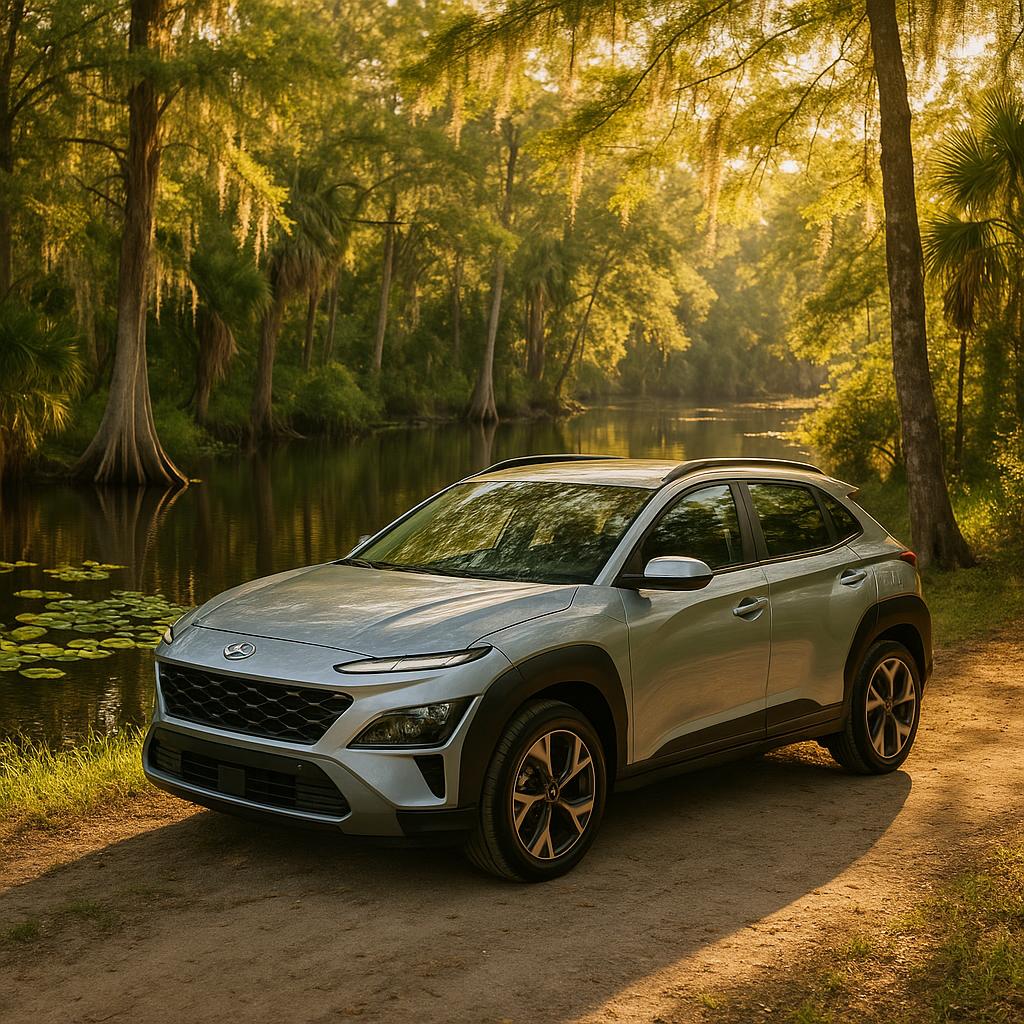
Having your own wheels makes all the difference — public transit simply doesn't connect these natural areas, and rideshare wait times in the more rural stretches can be unpredictable. Our Hyundai Kona is a nimble, fuel-efficient companion for exactly this kind of adventure: easy to park at trailheads and boat ramps, comfortable for a full day out, and ready to go whether you land at RSW in Fort Myers or PGD in Punta Gorda. We'll deliver it right to the terminal so you can start your manatee mission the moment you touch down.
Southwest Florida's waterways are alive with wonder — and a little planning (and a good set of wheels) is all it takes to make a manatee memory you'll be talking about long after you head home.
Book your ride on Turo
← Back to the blog