Travel Guide · July 15, 2026
Most people know Southwest Florida for its warm weather and gorgeous sunsets — but serious beachcombers know the real secret: the Gulf Coast between Charlotte Harbor and Marco Island is one of the premier shelling destinations on the entire planet. The gentle curve of the coastline, the shallow sandy shelf, and the proximity to productive seagrass beds and reefs all conspire to deliver an astonishing variety of shells right to the shoreline. Junonia, lightning whelks, alphabet cones, horse conchs, and lettered olives are just a few of the treasures waiting to be discovered.
The best part? You don't have to book a boat tour or stay overnight to chase the best finds. With a comfortable SUV, a good tide chart, and a little local knowledge, you can string together several outstanding shelling stops in a single day. Load up the family, pack a cooler, and let's go hunting.
Shelling is all about timing, and a little preparation goes a long way. Here are the golden rules the locals live by:
If you're serious about shelling, Cayo Costa belongs at the top of your list. This largely undeveloped barrier island sits just north of Captiva and is accessible only by ferry or private boat — which means far fewer footprints and far more shells. The ferry departs from Pine Island, so your road trip begins with a scenic drive out Stringfellow Road through the quirky fishing community of Matlacha. Park at the Pineland Marina area and catch the Tropic Star ferry over to the island.
Once there, nine miles of pristine Gulf-front beach awaits. Walk north from the dock to find the most secluded stretches. Junonia hunters, this is your best shot anywhere in the state. Even on a modest day you'll fill a bag with lightning whelks, turkey wings, calico scallops, and banded tulips. Bring water, sunscreen, and a mesh bag for your treasures — there are no shops on the island. Leave by early afternoon so you can hit your next stop before the tide turns.
The Sanibel Causeway is famous, and justifiably so, but experienced shellers know that the northern end of Blind Pass Beach — right where Sanibel meets Captiva — is where the current concentrates the best material. The pass acts like a funnel, channeling shells from deeper water onto the beach in thick windrows. This is where you'll often find the rarer species: augers, cones, and the occasional fighting conch still occupied by a feisty hermit crab (look, admire, put it back!).
The "Sanibel stoop" is a real thing — locals walk hunched over, eyes locked on the swash zone, shuffling slowly through the shells. Don't be self-conscious about joining in. Parking at Blind Pass is limited, so arrive before 9 a.m. during season. Grab coffee from a nearby café on Periwinkle Way and make a morning of it before the lots fill up.
Heading north up the coast, Englewood Beach on Manasota Key is wonderfully underrated. Far fewer tourists than the big-name beaches farther south, and a surprisingly rich shell line thanks to its exposure to the open Gulf. Walk south from the main park toward Stump Pass State Park and the shelling gets progressively better the farther you go. The pass at the southern tip kicks up sharks' teeth, fossilized bone fragments, and a wide variety of bivalves alongside the usual whelks and olives.
This stop pairs perfectly with a late lunch in the charming little beach town of Englewood — grab a grouper sandwich at one of the casual waterfront spots along Beach Road before heading back south or onward toward home. It's an easy drive up from Fort Myers, and if you're flying into Punta Gorda Airport (PGD), Englewood is practically on the way — making it a natural first stop right after picking up your rental.
A little prep and a little responsibility go a long way toward making your shelling day truly great. Here's what to bring and keep in mind:
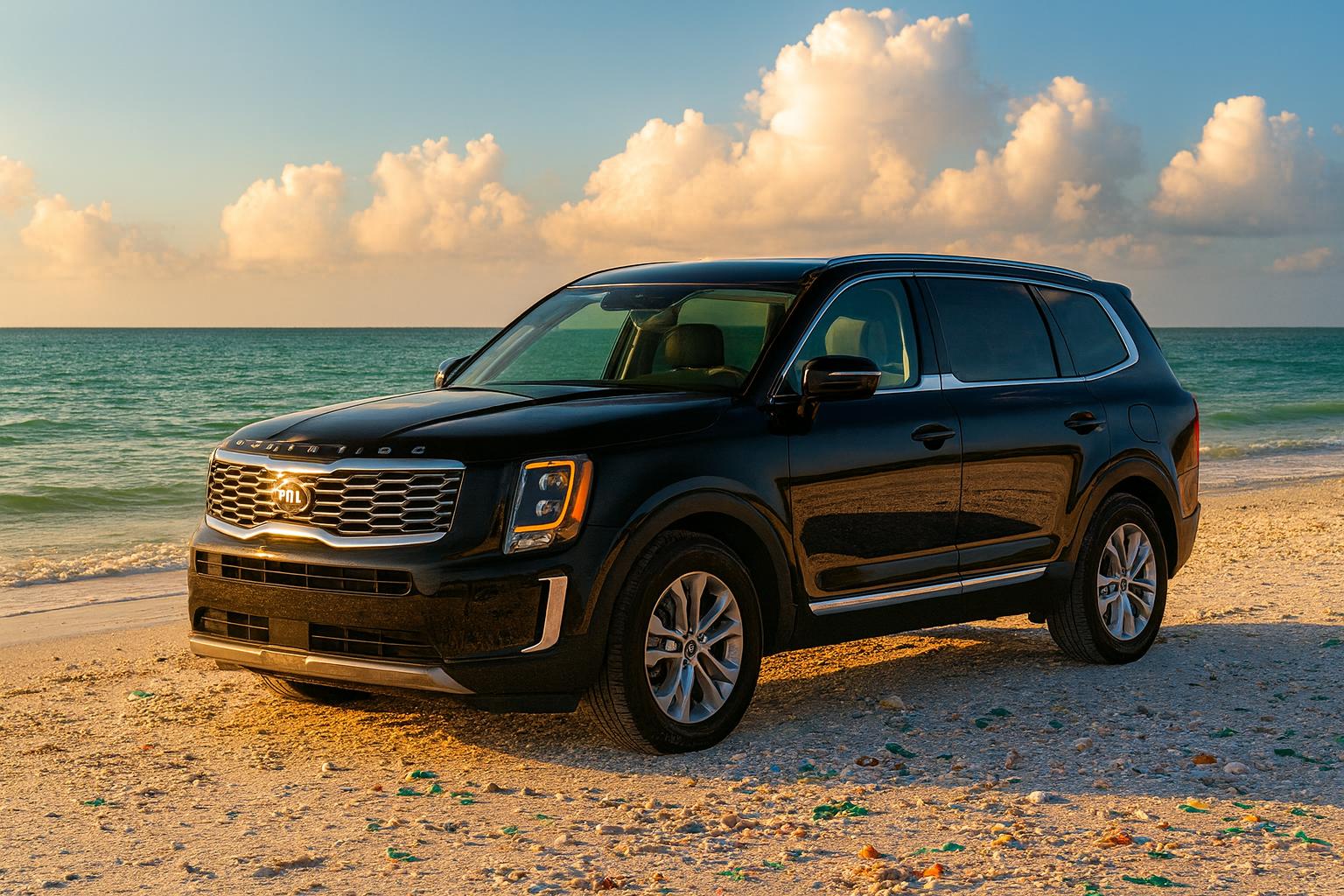
A spacious SUV with plenty of cargo room makes all the difference on a day like this — you'll want somewhere to stash sandy bags, towels, a cooler, and the occasional bucket without cramming everyone in. Whether you're arriving at RSW or PGD, having your rental delivered or ready at the airport means you can head straight to the coast and make the most of every low-tide window. Happy hunting!